Mountain roads and winding highways photography
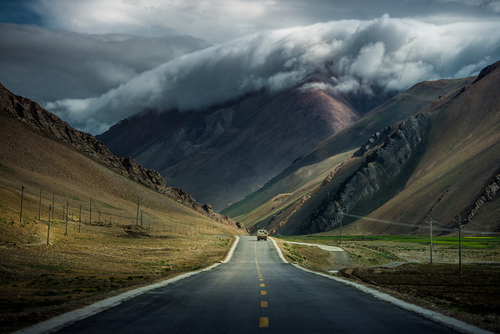
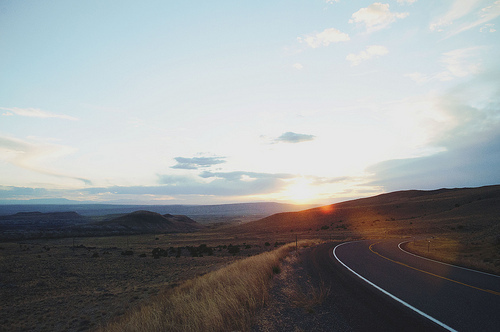
Mountain roads serve as both subject and metaphor in landscape photography. These 13 images document highways and passes that cut through remote terrain, from mist-shrouded Alpine valleys to sun-bleached desert stretches. The collection spans different geographies and weathers, yet each photograph centers on the road itself as an element of graphic design and narrative potential.
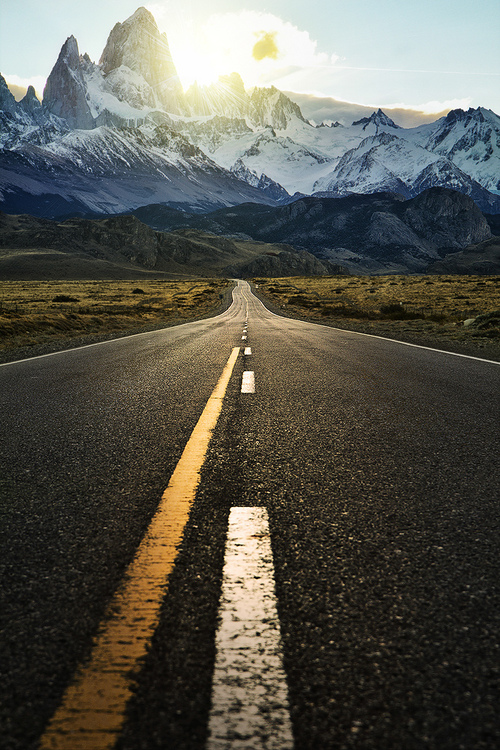
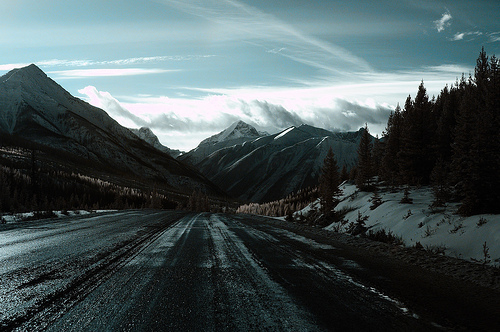
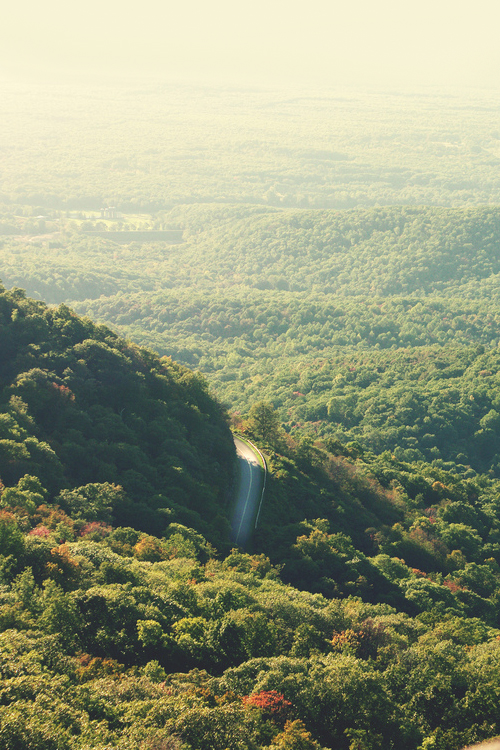
Several images show the road as pure geometry. A perfectly straight highway bisects golden Patagonian grassland, its yellow center line pulling the eye toward jagged peaks. Another captures serpentine curves through forested Costa Rican hills, the asphalt creating rhythm against organic hillside contours. The roads themselves become compositional anchors, their engineered precision contrasting with erosion patterns, cloud formations, and mountain silhouettes.
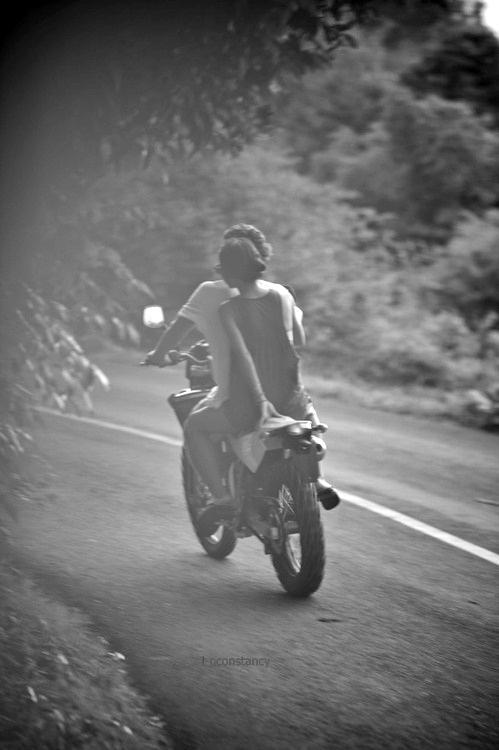
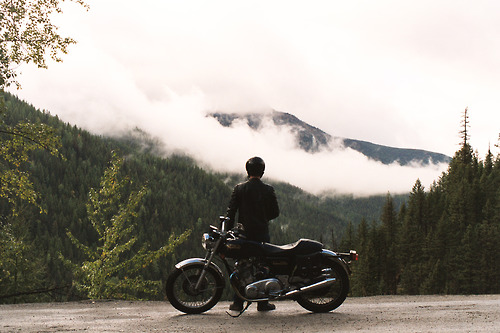
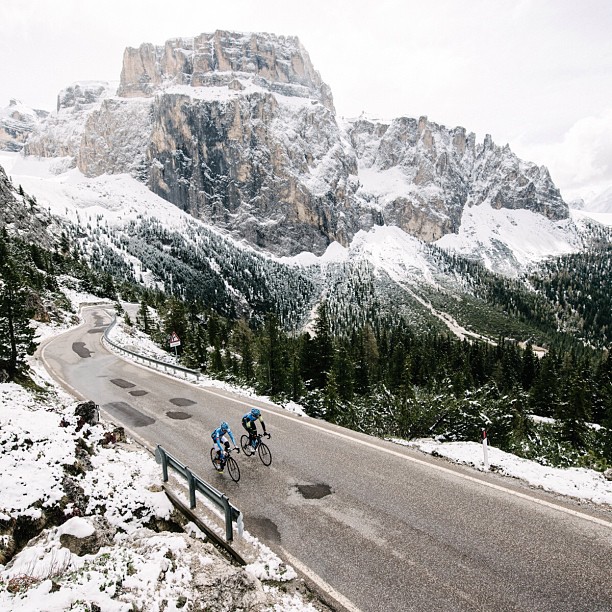
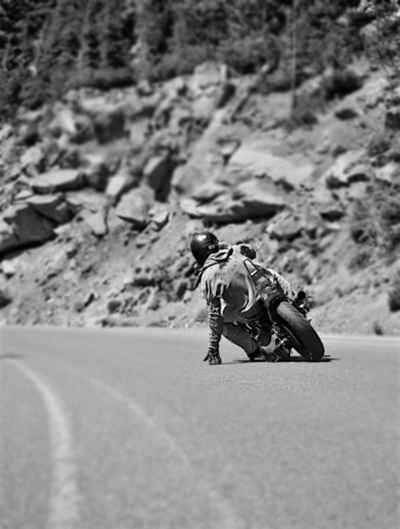
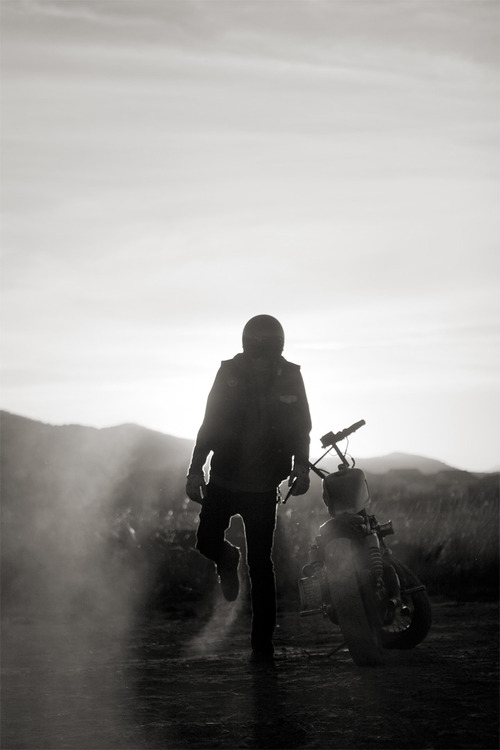
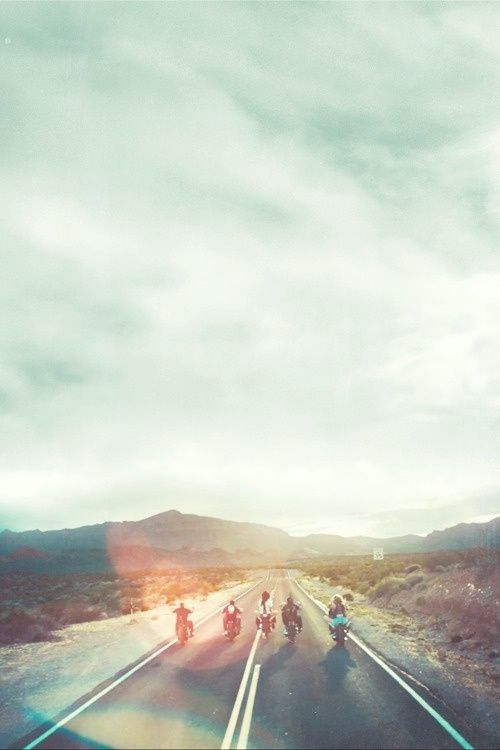
Many photographs include solitary figures on motorcycles or bicycles, though the human presence remains secondary to landscape and infrastructure. A motorcyclist leans into a curve beneath rocky cliffs in black and white. Cyclists navigate Alpine switchbacks with limestone walls overhead. These figures establish scale and suggest movement, but the emptiness matters more than the travelers. The roads stretch far beyond the frame, implying journeys that extend past what the camera captures.
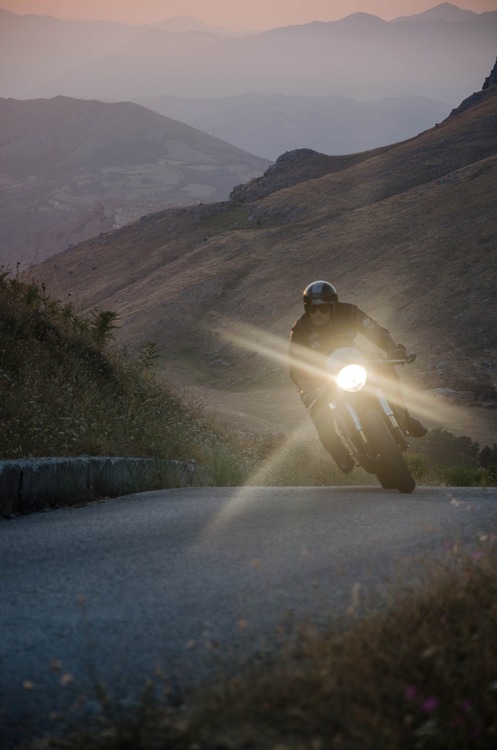
Weather and light create atmosphere without overwhelming the documentary quality. Storm clouds gather over barren mountain valleys in Iceland or Norway. Golden hour haze softens California or Mediterranean hillsides. Mist clings to evergreen forests along remote passes. The photographers use these conditions to build depth through layered planes of visibility, but the road markings, asphalt texture, and guardrails remain clearly defined.
The collection documents a specific visual language of distance and passage. White dashed lines, weathered cobblestones, yellow road markers, and metal guardrails appear across different continents, creating continuity despite varied topography. These images function as both travel photography and studies in compositional structure, showing how human engineering interacts with geological scale. The roads lead somewhere beyond the photograph, but they also exist as formal elements within carefully constructed frames.